The Death of Socrates
Why did Athens condemn the philosopher who taught Plato?
In 399 BCE, Socrates stood trial before an Athenian jury. He was accused of impiety and of corrupting the young, and the jury sentenced him to death. He died after drinking hemlock.
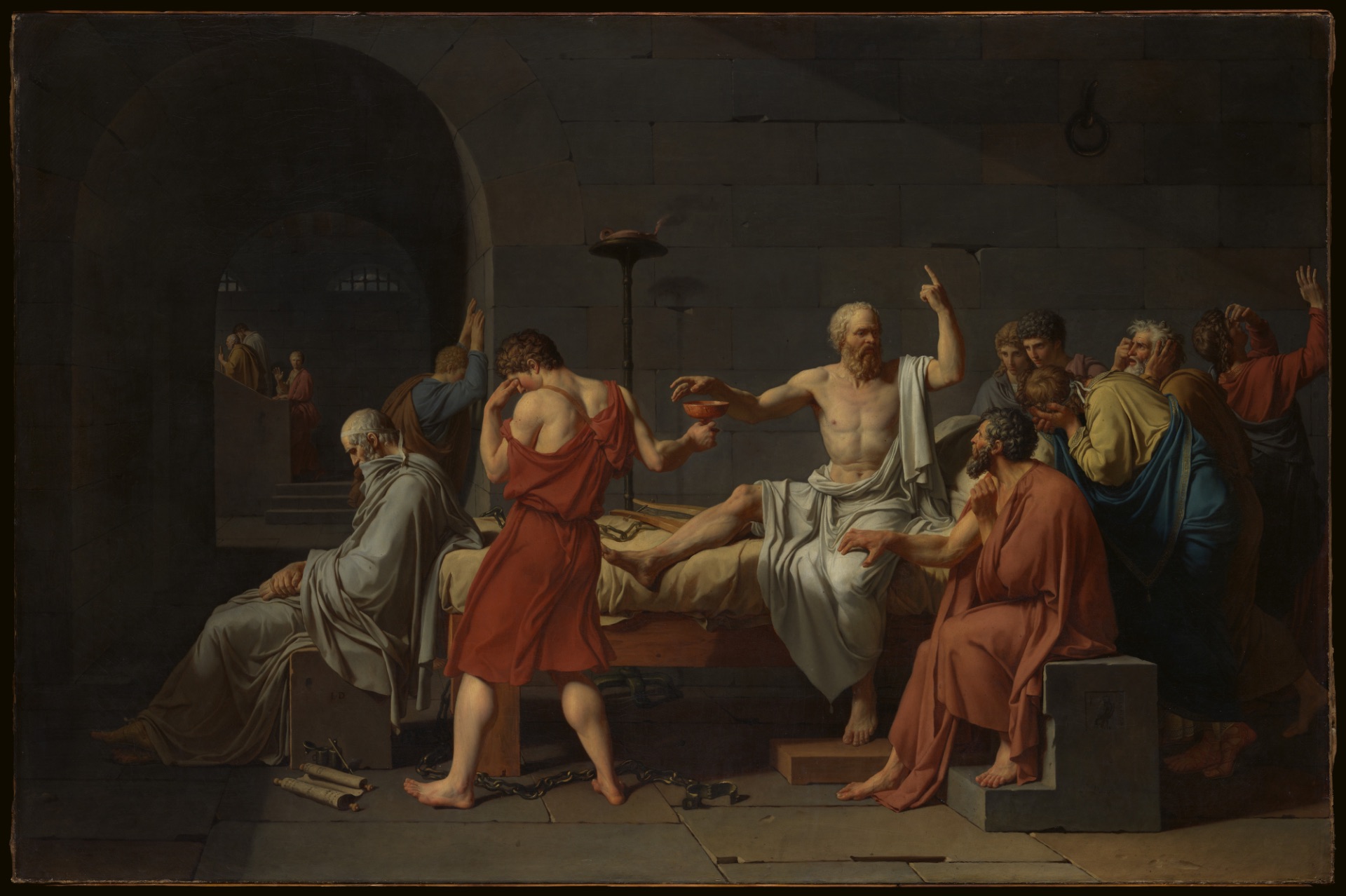
The trial followed decades of war and political turmoil. Socrates was known for questioning prominent citizens about virtue, knowledge, and public life; some of his associations also made him controversial. The surviving accounts, especially those written by Plato and Xenophon, do not give us an impartial transcript of the proceedings.
For Plato, Socrates became a central figure in philosophical dialogue: a man who insisted on examining accepted beliefs and refused to abandon philosophy to save his life. His death remained a defining episode in the story of Athens and its thinkers.